Main Luggage
14 kgUse your main bag (usually a duffel provided by us) for clothing, toiletries, sleeping equipment, and items you do not need while walking.
Transportation is provided up to 14 kg per person according to the itinerary.

Preparation Guide
The right equipment keeps you comfortable through Nepal's changing terrain and weather, from village paths to high mountain routes.
"You do not need every item on this list for every trek. Some equipment and services may be provided as part of your itinerary, while others depend on the route."
Before departure, our team can advise you on the equipment for your specific trek, including clothing, footwear, sleeping equipment, and route-specific essentials. Pack only what you need and keep frequently used items accessible during the walking day.
Different Nepal trekking routes require different equipment. Choose your trek type to see the primary focus.
Comfortable trekking shoes, layered clothing, rain protection, sun protection, and personal essentials are generally sufficient. Lodges provide basic bedding, though a liner or light sleeping bag is recommended.
Use this interactive checklist to prepare for your journey.
Break in trekking shoes well before your trip to reduce the risk of blisters and discomfort.
Use several light layers rather than relying on one heavy item. Temperatures can swing 20°C in a single day.
Mountain weather can change quickly. Keep weather protection where you can reach it during the day.
For high-altitude trekking, protection from cold, wind, and strong sunlight is particularly important due to the thinner atmosphere.
A small personal first-aid kit is essential. While guides carry comprehensive kits, having your own basics saves time.

Meals depend on your itinerary. A few lightweight snacks can be useful during longer walking days to keep energy high.
-03a023ab-1dcd-44f5-a9aa-628664267017.webp)
Your main luggage may be transported separately while you carry a smaller daypack during the trek.
Use your main bag (usually a duffel provided by us) for clothing, toiletries, sleeping equipment, and items you do not need while walking.
Transportation is provided up to 14 kg per person according to the itinerary.
Keep daily essentials within easy reach:
A lighter daypack (25-30L) is much more comfortable on long walking days.
Inclusions differ between trekking programs. Where specified in your itinerary, services generally include:
| Service | Details |
|---|---|
| Transfers | All transfers in Nepal included in the program |
| Accommodation | Kathmandu/Pokhara hotels, and trekking lodges or tents |
| Luggage transport | During the trek, up to 14 kg per person via porter/mule |
| Trek meals | Three meals per trekking day where specified |
| Guide & Crew | English-speaking trekking guide and support staff |
| Permits | National park fees and required trekking permits (TIMS) |
If you are on a camping expedition (like Upper Dolpo or Makalu Base Camp), we provide:
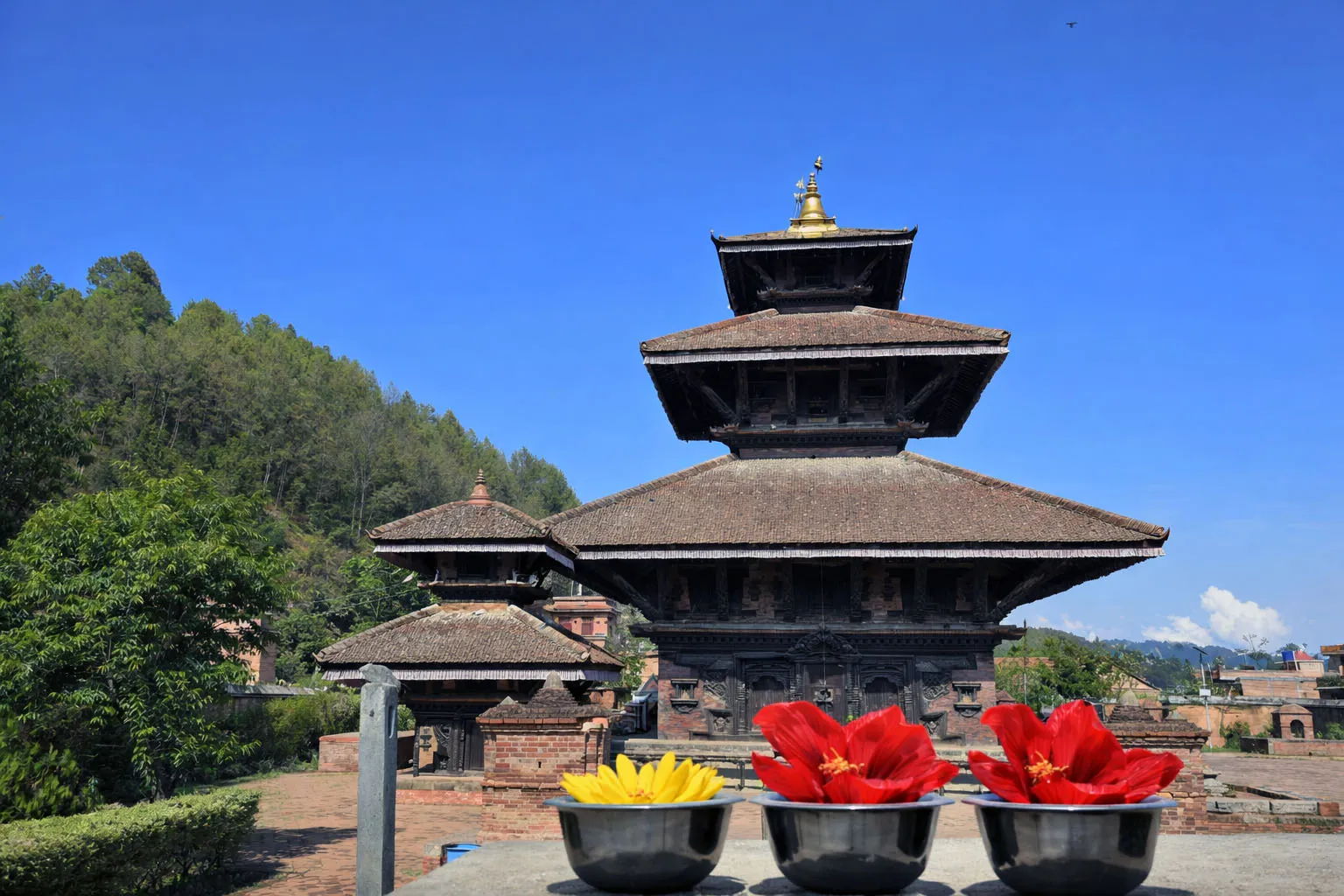
A well-organized, manageable pack makes walking easier and keeps essential items accessible. Check your itinerary before departure for any additional equipment requirements.
